

Hexahydrate magnesium chloride MgCl_2·6H2O is adopted in aquaculture. The strong hygroscopicity of magnesium chloride is a physical property. It does not directly affect waterbody indicators, but mainly influences storage and feeding, thus generating indirect impacts on breeding results.
I. Adverse Impacts (Key Points)
1.Caking during storage and uneven dosing
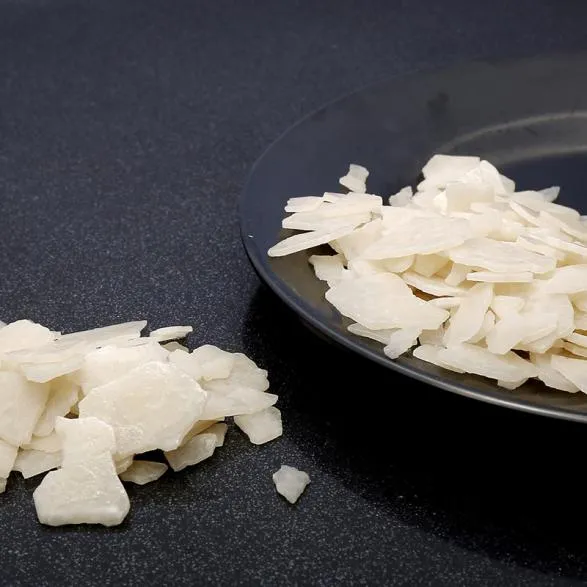
Magnesium chloride absorbs moisture from air and agglomerates into hard lumps. It cannot disperse evenly into ponds during manual or sprinkler feeding. This causes excessively high magnesiumion concentration in partial water areas while insufficiency in others, resulting in unbalanced waterbody ions and adverse effects on molting of shrimps and crabs. Severe caking may even block feeding equipment.
2.Inaccurate weighing and outofcontrol dosage after moisture absorption
As the solid absorbs water, the effective Mg2+ content decreases for the same weight of raw material. If farmers add materials according to the original weight ratio, insufficient magnesium will be actually dosed, which leads to longterm low magnesium level in pond water.
Prone to impurity accumulation and accelerated impurity dissolution after moisture absorption
For lowgrade industrial magnesium chloride flakes, moisture absorption facilitates dissolution of inherent impurities such as sodium chloride and sulfate. Longterm heavy use of poorquality damp raw materials will cause continuous impurity accumulation and change total salinity and ion ratios of water.
Important note: Hygroscopicity is a physical property of solid raw materials. Once magnesium chloride dissolves in water, it has no hygroscopic effect. It is fully ionized after being added into ponds, losing its hygroscopic property and will not continuously absorb water in aquaculture water.
II. Correct Understanding: No Hygroscopic Effect in Water
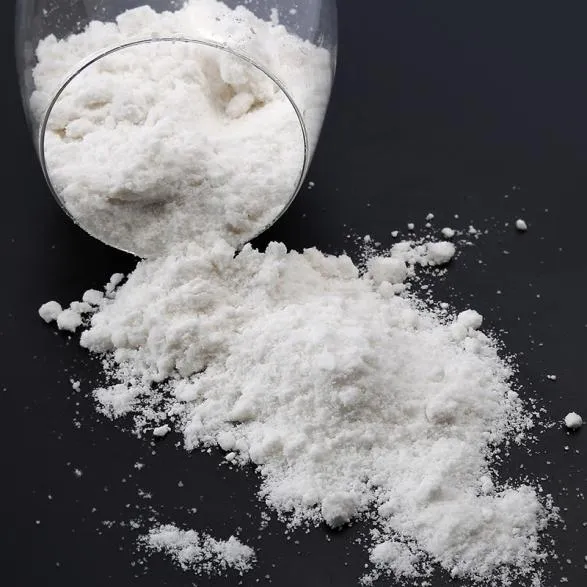
Many farmers hold a wrong misconception that magnesium chloride will absorb water and thicken pond water after application. In fact, hygroscopicity only exists in solid crystal state. After dissolving completely in water, it ionizes into magnesium ions and chloride ions. Its physical hygroscopic performance disappears and it will not absorb moisture from pond water.
III. Practical Countermeasures
Store in sealed warehouses with elevated stacking. Avoid openair storage. Prioritize laminated jumbo bags or packages with inner PE plastic liners.
Crush caked materials before sprinkling to achieve even distribution.
Appropriately increase dosage for heavilycaked raw materials to compensate for loss of active ingredients caused by moisture.
Prioritize magnesium chloride with high dryness and strictlycontrolled moisture index to reduce caking risks.