

Soda ash, chemically named Sodium Carbonate, molecular formula Na2CO3, is also known as calcined soda. It appears as white odorless powder or granules, easily soluble in water with alkaline aqueous solution. Wellknown as “Mother of Industry”, soda ash is widely used in glass, chemical, detergent, water treatment, metallurgy, papertextile, food and many other sectors. Two main commercial grades are Soda Ash Light and Soda Ash Dense. They share identical chemical composition but differ in bulk density and particle size for different enduses.
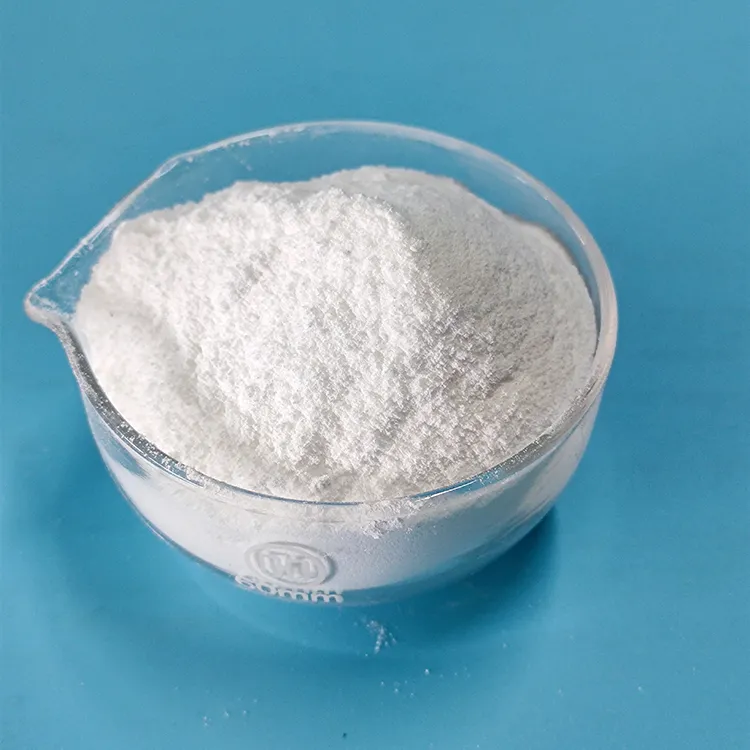
1. Difference Between Soda Ash Light & Soda Ash Dense
Soda Ash Light: Bulk density 0.50.6 g/cm³, fine powder, fast dissolution rate with relatively more dust. Mainly applied in detergents, chemical synthesis, water treatment, printing & dyeing and papermaking.
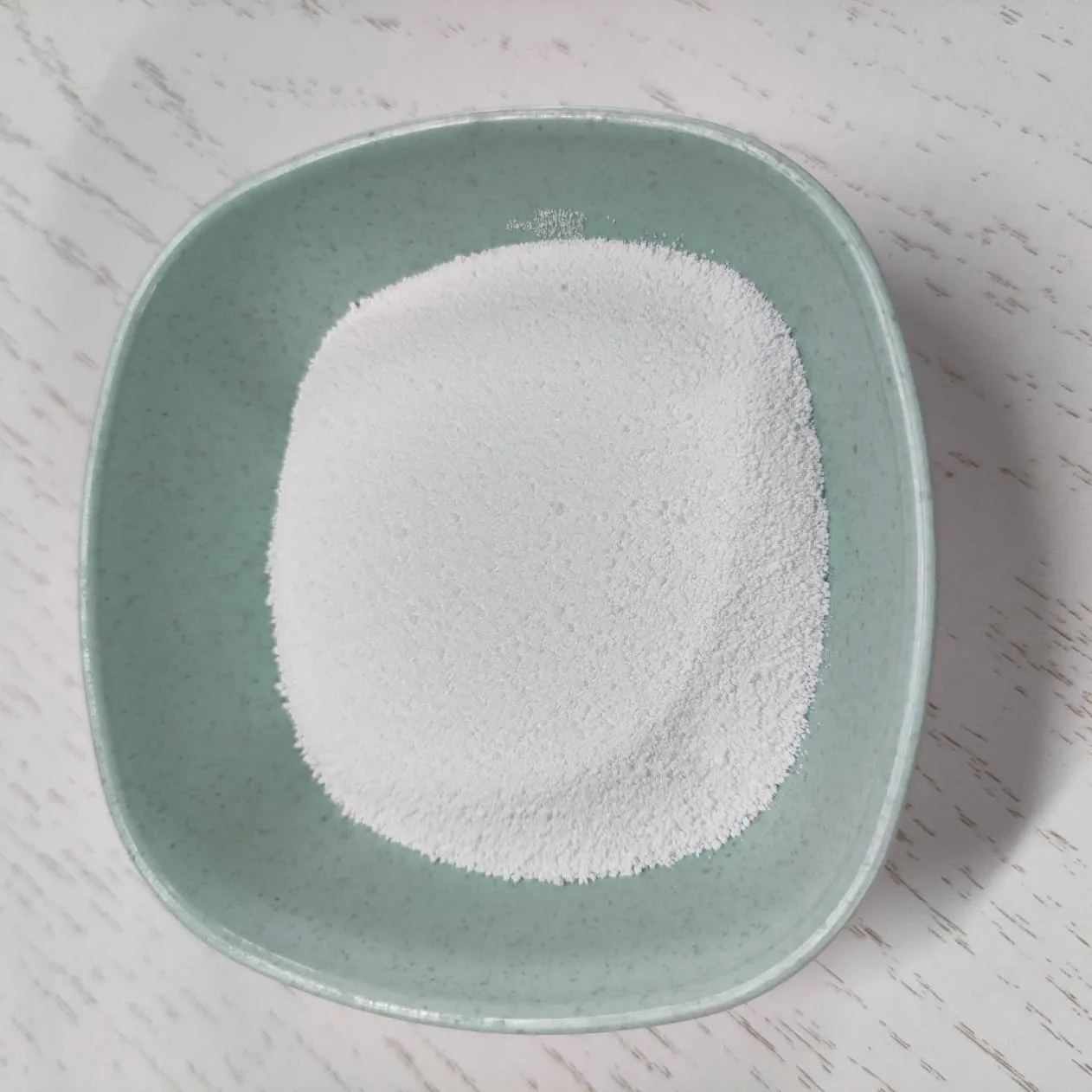
Soda Ash Dense: Bulk density 0.91.1 g/cm³, granular form with good flowability and low dust. Dominantly used for glass manufacturing. Suitable for bulk shipment and saves storage space.
Standard industrial purity ≥99.2%. Foodgrade soda ash is available for food processing.
2. Core Industrial Applications
Glass Industry (Largest Consumption Segment) Glass manufacturing accounts for 5060% of global soda ash consumption. As a critical flux, soda ash lowers the melting point of quartz sand, cuts energy consumption and improves glass transparency and chemical stability. Applications cover float building glass, automotive glass, photovoltaic glass, dailyuse glass containers and optical glass. Around 0.2 tons soda ash is consumed per ton of glass produced.
Chemical Industry Soda ash acts as fundamental feedstock for producing sodium bicarbonate, sodium silicate (water glass), sodium nitrate, borax, phosphates, bleaching agents and other sodiumbased chemicals. It also works as pH regulator and neutralizer in various chemical synthesis processes.
Detergent & DailyChemical Industry Soda ash light serves as key builder in detergent formulations. It softens water, emulsifies grease and neutralizes acidic dirt. Widely used in laundry powder, industrial cleaners and soap production.
Water Treatment Adjust pH value and neutralize acidic wastewater. Precipitate calcium & magnesium ions for water softening. Applied in circulating cooling water, municipal water supply and swimming pool water balancing to reduce scaling and pipeline corrosion.
Metallurgy & Mining Work as smelting flux and desulfurizing agent. Adjust slurry alkalinity in mineral flotation to improve separation efficiency. Used for smelting and purification of copper, aluminum, lead, zinc and other nonferrous metals.
Papermaking, Textile & Dyeing Alkaline agent for pulp cooking; adjust dyebath pH in textile printingdyeing to enhance dye fixation and color fastness. Also used for wool scouring.
Food Industry (FoodGrade) Food additive E500, functioning as acidity regulator and raising agent. Applied in noodles, soy sauce and monosodium glutamate production to improve food texture and elasticity.
Other Applications Leather degreasing, ceramic glaze, pharmaceutical intermediates, pH adjustment for oilfield drilling fluids, etc.
3. Storage & Transportation Guidelines
Store in cool, dry and wellventilated warehouse with wellsealed packages to prevent caking caused by moisture. Keep far away from acids; no mixed storage or mixed shipment.
Common packing: 25kg / 50kg PP woven bags with PE inner liner. It is general cargo for sea transport, not dangerous goods.
Wear dust mask, safety goggles and alkaliresistant gloves during handling. Avoid dust inhalation and longtime skin contact. Sweep and collect spilled material; prevent discharge into water bodies.
4. Common Distinction
Soda Ash (\(Na_2CO_3\)) ≠ Baking Soda (\(NaHCO_3\)): Soda ash has stronger alkalinity for major industrial uses; baking soda is milder for food leavening.
Soda Ash ≠ Caustic Soda (NaOH): Caustic soda is strong alkali with much higher corrosivity.