

1. Overview
Soda ash (Sodium Carbonate, Na₂CO₃) is a fundamental inorganic chemical raw material widely used in the global chemical manufacturing sector. As the second-largest downstream consumption market for soda ash, the chemical industry mainly adoptsindustrial light soda ash (≥99.2% purity) for most fine chemical, new energy and synthetic material production processes.
Compared with highly corrosive caustic soda, soda ash features mild alkalinity, stable chemical activity and high water solubility. It enables precise and safe pH regulation, neutralization and reaction stabilization, making it ideal for large-scale, continuous chemical production with low equipment loss and high cost efficiency.
2. Core Applications of Soda Ash in Chemical Industry
2.1 Manufacturing of Basic Sodium Salt Chemicals
Soda ash serves as the primary alkali source for producing mainstream sodium salt chemicals via neutralization and double decomposition reactions. These sodium-based products support thousands of downstream industrial scenarios and form the foundation of general chemical manufacturing.
Key products and functions:
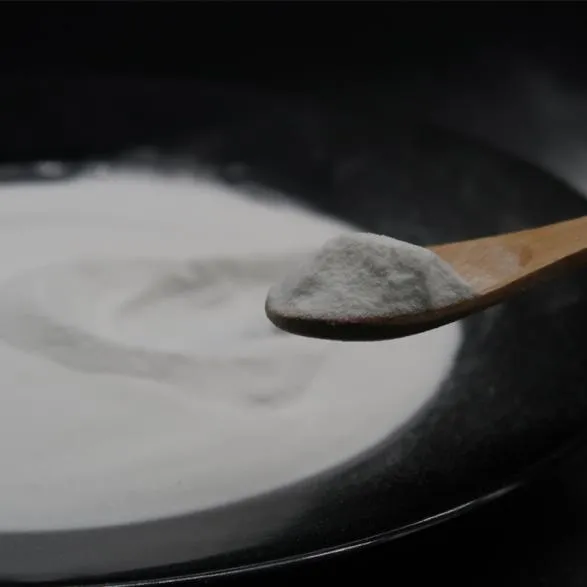
Sodium Bicarbonate: The essential raw material for carbonation reaction to produce industrial, food and pharmaceutical-grade baking soda, occupying the largest share in sodium salt chemical output.
Sodium Silicate (Water Glass): Synthesized through high-temperature reaction of soda ash and quartz sand, widely applied in adhesives, waterproof coatings, anti-corrosion materials and electroplating auxiliaries.
Sodium Nitrate & Sodium Nitrite: Produced by acid-base neutralization, used as industrial oxidants, combustion aids and anti-corrosion agents in chemical and metallurgical processing.
Borax, Sodium Phosphate, Sodium Metabisulfite: Soda ash adjusts reaction alkalinity and stabilizes crystallization, ensuring high-purity finished products for water treatment, printing & dyeing and detergent manufacturing.
2.2 pH Adjustment, Neutralization and Solution Purification
In inorganic chemical production, organic synthesis and fine chemical processing, soda ash acts as a mild neutralizer, pH buffer and reaction system stabilizer. It solves pH imbalance caused by strong acid reactions and effectively optimizes production stability and product purity.
Core process functions:
Acidic substance neutralization: Neutralizes acidic byproducts and industrial wastewater generated during chemical synthesis, preventing equipment corrosion and inhibiting adverse side reactions.
Stable pH control: Provides gentle and uniform pH adjustment without local over-alkalinity, avoiding raw material decomposition, product discoloration and purity reduction in precision fine chemical production.
Chemical purification: Eliminates free acid in reaction solutions, promotes impurity precipitation and separation, and improves the transparency, stability and finished quality of chemical products.
2.3 New Energy Chemicals: Battery-Grade Lithium Carbonate Production
The lithium battery new energy industry is the fastest-growing incremental market for chemical-grade soda ash. High-purity light soda ash is an irreplaceable core raw material for lithium carbonate manufacturing, strongly driving global soda ash demand growth in recent years.
In salt lake lithium extraction, ore lithium extraction and waste lithium recycling processes, qualified light soda ash works as a high-efficiency lithium ion precipitant. It reacts with lithium-containing mother liquor to precipitate crude lithium carbonate, which is further purified and sintered into battery-grade lithium carbonate for lithium iron phosphate batteries and ternary power batteries.
This field requires ultra-low impurity indicators for soda ash. Excessive iron ions, chloride ions or insoluble impurities will cause battery capacity attenuation, shorter cycle life and potential safety hazards. Low-iron and low-chlorine high-purity soda ash is a rigid demand for high-end new energy chemical production.
2.4 New Material and Chemical Auxiliary Synthesis
Soda ash is widely used in the formulation and synthesis of polymer materials, rubber, resin and plastic additives. It stabilizes reaction pH values and optimizes the physical and chemical properties of new material products.
Resin production: Stabilizes polymerization rate, improves product toughness, surface adhesion and outdoor weather resistance of synthetic resin.
Rubber auxiliaries: Optimizes rubber vulcanization procedures, enhances wear resistance and anti-aging performance of finished rubber products.
Plastic additives: Neutralizes residual acidic substances during production, preventing plastic yellowing, aging and performance degradation to ensure stable molding quality.
2.5 Fine Chemical and Daily Chemical Manufacturing
As a basic raw material for fine daily chemicals, soda ash is commonly used to produce detergent builders, soap base, fragrance intermediates and chemical preservatives. Its alkaline emulsification and neutralization properties remove acidic impurities in raw materials, stabilize formula performance and improve the decontamination, emulsifying and antibacterial capacity of daily chemical products.
3. Key Advantages of Soda Ash for Chemical Applications
Mild and stable reaction: Weak alkalinity avoids violent chemical reactions and severe equipment corrosion, supporting precise pH control for high-precision fine chemical production.
Superior cost performance: Lower procurement, storage and transportation costs compared with caustic soda and other strong alkalis, suitable for large-scale industrial batch production.
Stable impurity control: Standard industrial soda ash features stable impurity content and fewer reaction by-products, effectively avoiding finished product contamination.
Wide compatibility: Adaptable to inorganic synthesis, organic polymerization, new material purification and various chemical auxiliary processing technologies.
4. Selection & Usage Guidelines for Chemical-Grade Soda Ash
Light soda ash is the priority choice for chemical synthesis, lithium carbonate production and fine chemical manufacturing due to fast dissolution speed and high reaction efficiency. Dense soda ash is only used for individual high-temperature melting processes.
Never store or mix soda ash with strong acid materials to prevent violent chemical reactions and safety accidents.
Keep soda ash sealed and dry during storage. Moisture absorption will cause caking, reduce chemical activity and affect production proportion accuracy.
High-end new energy and fine chemical industries must adopt low-iron, low-chlorine and high-purity soda ash to meet strict quality standards.