

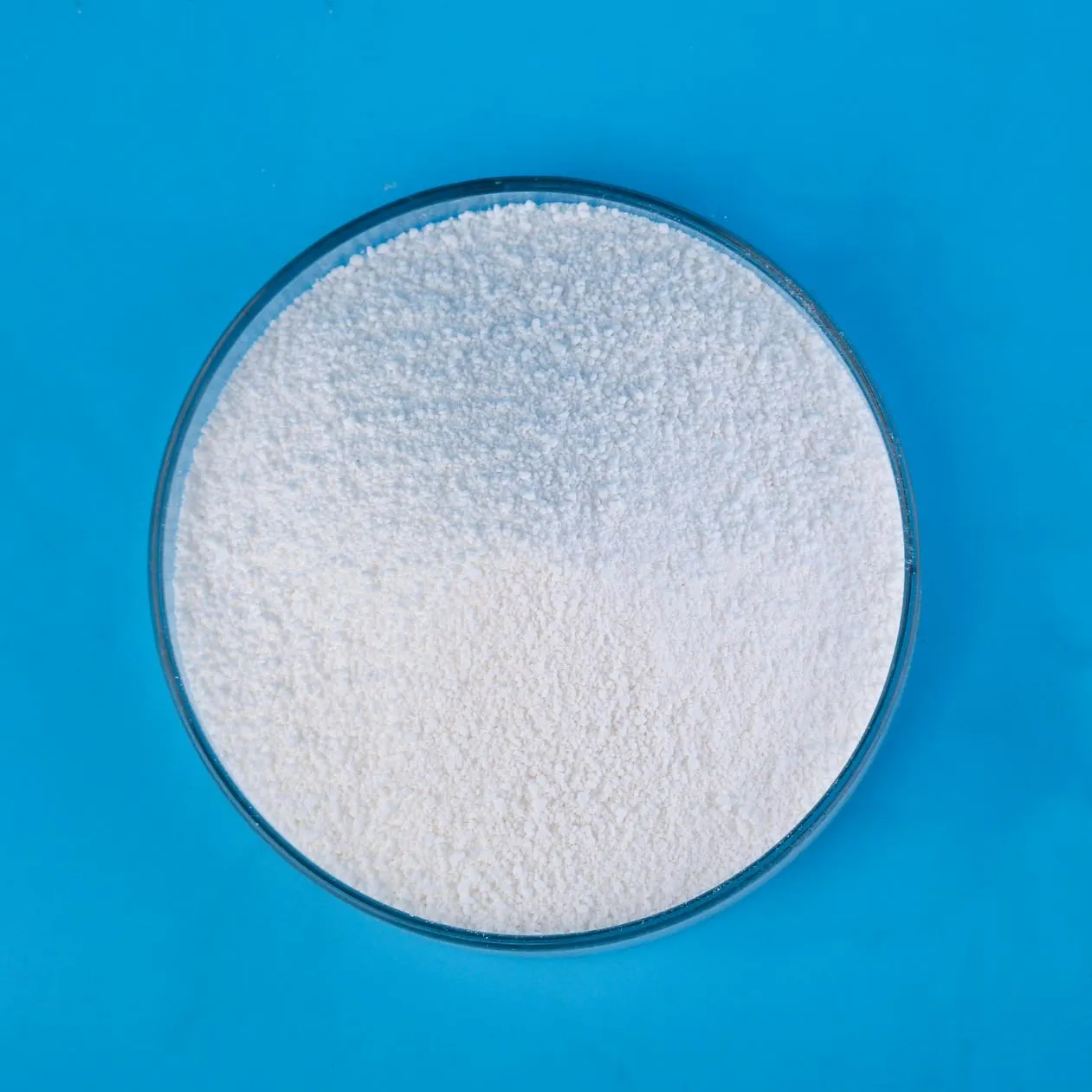
Soda ash (Sodium CarbonateNa2CO3), mainly soda ash dense, acts as a primary fluxing agent for glass melting. Most glass formulations adopt soda ash dense with purity ≥99.2%. It reduces melting temperature of silica sand, lowers melt viscosity, improves melt flowability, cuts energy consumption and enhances glass transparency.
Case 1: Float Building Flat Glass (Window & Curtain Wall Glass)
Product: Float architectural flat glass
Formula proportion: Silica sand 7072%, limestone 1012%, Soda Ash Dense 1214%, dolomite and other additives.
Consumption: 0.200.22 tons soda ash dense per ton float glass.
Function: Provides sodium oxide to break siliconoxygen network. It drops silica melting temperature from above 1700℃ to 14501500℃, greatly saving furnace energy. It homogenizes glass melt, reduces streaks and bubbles, ensures flatness and light transmittance for largesize curtainwall panels.
Selection note: Soda ash dense is mandatory. Its granular form generates low dust and fits continuous bulk feeding. Soda ash light produces heavy dust and may block furnace regenerators, rarely used in float lines.
Case 2: Solar Rolled PV Glass (Solar Module Cover Glass)
Product: Photovoltaic rolled glass for solar panel cover
Formula: Silica sand ~71%, Soda Ash Dense 1113%, limestone, alumina, dolomite.
Function: Requires high light transmittance and low iron content. Soda ash supplies sodium oxide to lower melting point and homogenize glass melt. Adjust melt viscosity for rolling forming to guarantee surface flatness and solar light transmission.
Key requirement: Strict limit on iron impurity. Excess iron causes yellow tint and reduces power generation efficiency.
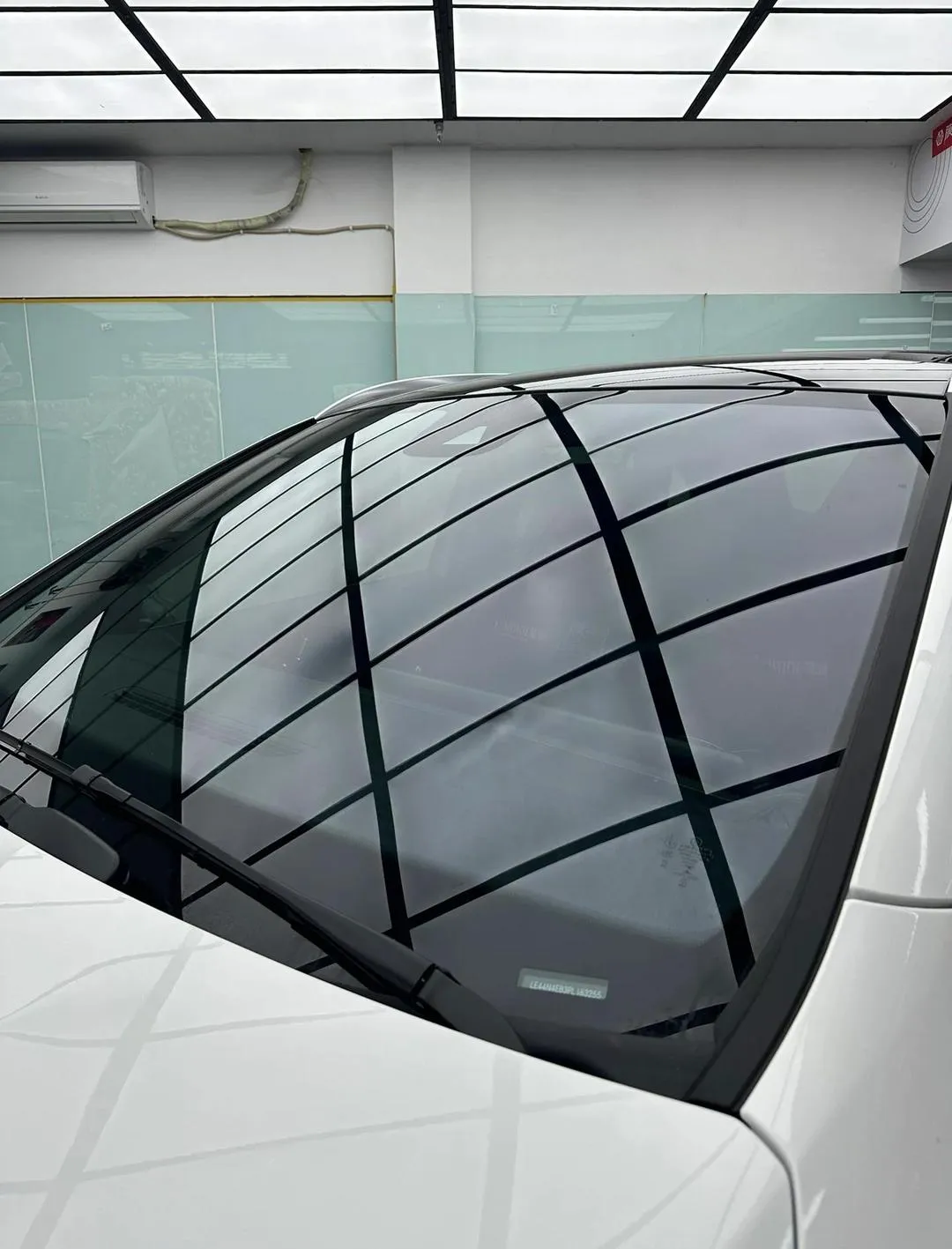
Case 3: Automotive Glass (Windshield & Tempered Window Glass)
Product: Laminated & tempered automobile glass
Formula: Soda Ash Dense 1213.5%, silica sand, alumina, limestone.
Feature: Automotive glass demands good thermal stability and impact resistance. Soda ash promotes melting; alumina improves mechanical strength. Soda ash balances melt viscosity for forming and subsequent tempering process.
Reminder: Overdosage of soda ash raises sodium content, weakening water resistance and causing weathering / whitening on glass surface.
Case 4: Container Glass & DailyUse Bottles (Beverage, Sauce, Liquor Bottles)
Product: Food & beverage glass bottles, condiment jars, spirit bottles
Formula: Soda Ash Dense 1315%
Working condition: Furnace temperature 14801520℃. Soda ash decreases melting temperature and boosts melt flowability, adapting to highspeed bottlemaking machines.
Differentiation: Clear transparent bottles require lowiron soda ash; dark green beer bottles tolerate slightly higher iron impurities.
Case 5: Borosilicate HeatResistant Glass (Heatproof cookware, lab glassware)
Borosilicate glass uses much less soda ash than ordinary sodalime glass.
Product: Heatresistant glass cookware, laboratory beakers & test tubes
Formula: Soda Ash Dense 47%, borax as main flux.
Function: Soda ash supplies partial sodium oxide to assist melting and adjust viscosity. Excess soda ash will damage thermalshock resistance.
Case 6: Art & Decorative Glass (Glass cups, ornaments, mosaic tiles)
Common sodalime decorative glass: soda ash dense 1214%. For colored glass, soda ash does not create color itself, but improves melting performance and helps colorant disperse evenly.
Key Points for Glassgrade Soda Ash Usage
Most glass manufacturers adopt soda ash dense. Soda ash light is only used in a few small special furnaces.
Iron oxide (\(Fe_2O_3\)) is a critical impurity; high iron leads to yellowish glass.
Higher dosage is not better: Sodium oxide from soda ash improves flowability, but excessive sodium reduces chemical resistance and antiweathering performance.
Mixed with silica sand, limestone, dolomite, fed into glass furnace for hightemperature melting. After cooling, sodalimesilica glass is produced (accounts for over 90% of commercial glass).