

Calcium chloride CaCl_2 is highly hygroscopic and prone to caking. Frequent risks include falsified purity, grade confusion, seafreight moisture caking, excessive impurities and noncompliant documents. Overseas industrial buyers shall control risks covering product selection, sampling, contract terms, logistics and compliance.
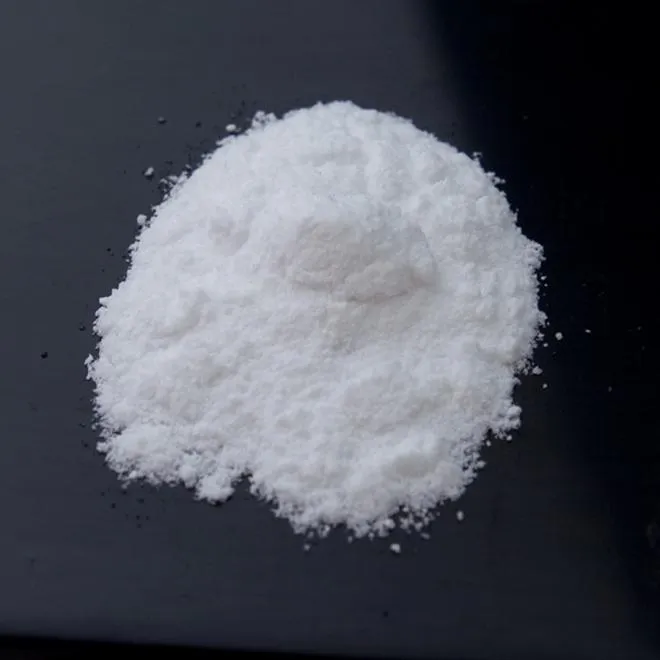
1. Grade & Specification Trap: Distinguish 74% Dihydrate / 94% Anhydrous
Common fraud: Using 74% dihydrate to pass off as highpriced 94% anhydrous calcium chloride. Dihydrate suits snowmelting, dust suppression and refrigerating brine. Anhydrous is required for desiccants & oildrilling fluids, with much stronger moistureabsorbing capacity.
Physical form mismatch: Confirm flakes / prilled pellets / powder and particle size range. Broken particles accelerate caking and disable automatic dosing equipment.
Do not overlook impurities: Specify maximum limit of NaCl, MgCl₂ and waterinsoluble matter, which may corrode equipment and weaken endproduct performance.
2. Sample & Labtest Verification
Reject generic template COA (Certificate of Analysis). Always request lotspecific COA matching production batch. For new suppliers, order trial sample (50100 kg) and reserve sealed sample. Thirdparty inspection by SGS / BV / Intertek is highly recommended.
Simple pretest: check uniform white appearance, dissolution speed, exothermic effect and undissolved residues.
3. Musthave Clauses in Contract / PI
Exact specification: 74% min dihydrate or 94% min anhydrous; physical form, particle size, impurity tolerance.
Packaging: 25 kg bags or jumbo bags with thick inner PE liner; special requirements for oceanshipping moistureproof.
Inspection: Preshipment thirdparty inspection option; reinspection allowed within 15 days after arrival at destination port. Define liability for return, replacement and test fees if outofspec.
Payment: Avoid 100% advance payment for new partners. L/C or "2030% deposit + balance against copy of B/L" are recommended.
Document list: Lotspecific COA, GHScompliant SDS, Certificate of Origin, packing list & commercial invoice. Confirm REACH compliance for EU market.
Caking liability: Seller shall be liable for massive bulk caking caused by poor sealing of packaging.
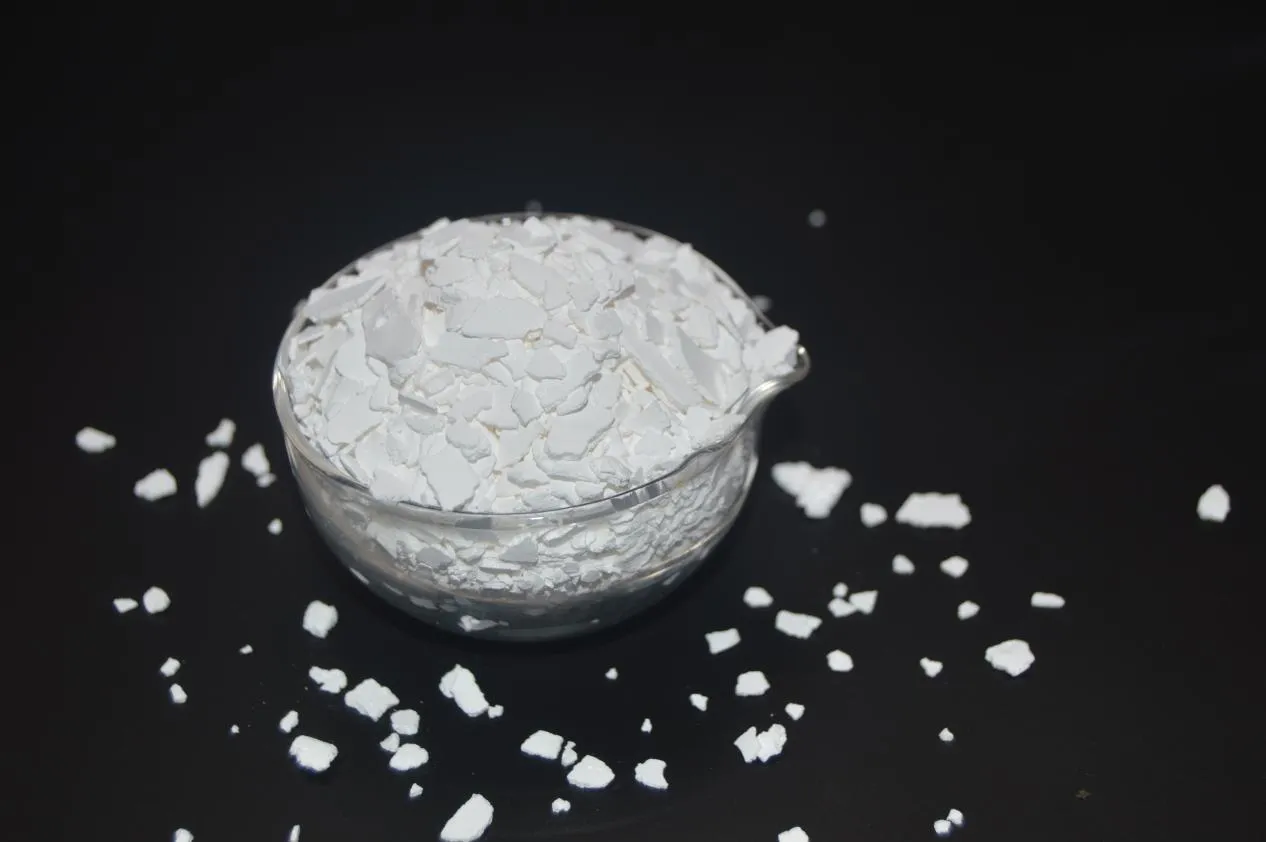
4. Critical OceanShipping Risk: Severe Container Caking
Anhydrous calcium chloride is extremely deliquescent. Container condensation during long ocean transit may turn whole container into solid blocks, making cargo unusable.
Each bag must be heatsealed with intact thick PE inner liner; jumbo bags also require inner sealing liner.
Place sufficient container desiccants inside FCL container. Do NOT load cargo on rainy days.
Under FOB term, clearly assign seller responsibility for packaging & container moisture protection, since risk transfers after loading on board.
Document everything with photos & sampling once goods arrive.
5. Compliance & Documentation (Avoid Detention & Return)
Calcium chloride belongs to Class 8 corrosive goods UN1851. Provide valid GHS SDS/MSDS; never misdeclare as nondangerous goods, or heavy fines, detention or return will occur.
For EU import: Confirm REACH registration status. Foodgrade calcium chloride needs corresponding foodsafety certification. Prefer original manufacturer instead of pure reseller.
6. Lowprice Warning
Unreasonably low offers usually mean insufficient active content, high impurities or recycled damp material. Evaluate total landed cost instead of only FOB unit price. Put all commitments into written PI and contract.
7. Arrivalatport Checklist
Take full photos of container condition and bags;
Random multipoint sampling and reserve samples;
Thirdparty lab test for CaCl₂ content & waterinsoluble substance;
Keep B/L, COA, emails, photos and lab reports for potential claim.