
In the petroleum industry, calcium chloride is used to raise the density of solids-free brines. It can also be added to the aqueous phase of emulsified drilling fluids to inhibit clay swelling.
It acts as a flux to lower the melting point during the Downs process, which produces metallic sodium via the electrolysis of molten sodium chloride.
Calcium chloride is incorporated as an ingredient in ceramic production. It keeps clay particles suspended in solution, making slip casting much easier to operate.

At this point, we cannot help but marvel at the versatile uses of calcium chloride—it can be found in nearly every industry.
Solid hydrated calcium chloride serves as a phase-change energy storage material. For instance, calcium chloride hexahydrate has a melting point of 30°C and a heat of fusion (the heat absorbed when a substance changes from solid to liquid at the same temperature) of 190 kJ/mol. Therefore, it can be applied in medium-to-low temperature scenarios such as industrial waste heat recovery and solar heat capture. However, like all inorganic hydrated salt phase-change materials, it suffers from severe supercooling with a supercooling degree up to 20°C, which requires nucleating agents to mitigate.
Calcium chloride accelerates the initial setting of concrete. Nevertheless, chloride ions corrode steel reinforcement, so calcium chloride is prohibited for reinforced concrete. Anhydrous calcium chloride can supply moderate moisture to concrete thanks to its hygroscopic property.
Calcium chloride also functions as an additive in plastics and fire extinguishers, a filter aid in wastewater treatment, an additive in blast furnaces to control agglomeration and adhesion of raw materials and prevent burden settlement, as well as a diluent in fabric softeners.
The exothermic dissolution characteristic of calcium chloride makes it suitable for self-heating cans and heating pads. (Surprising, isn’t it? It is closely bound up with our daily lives!)
Let’s review the knowledge points covered earlier.
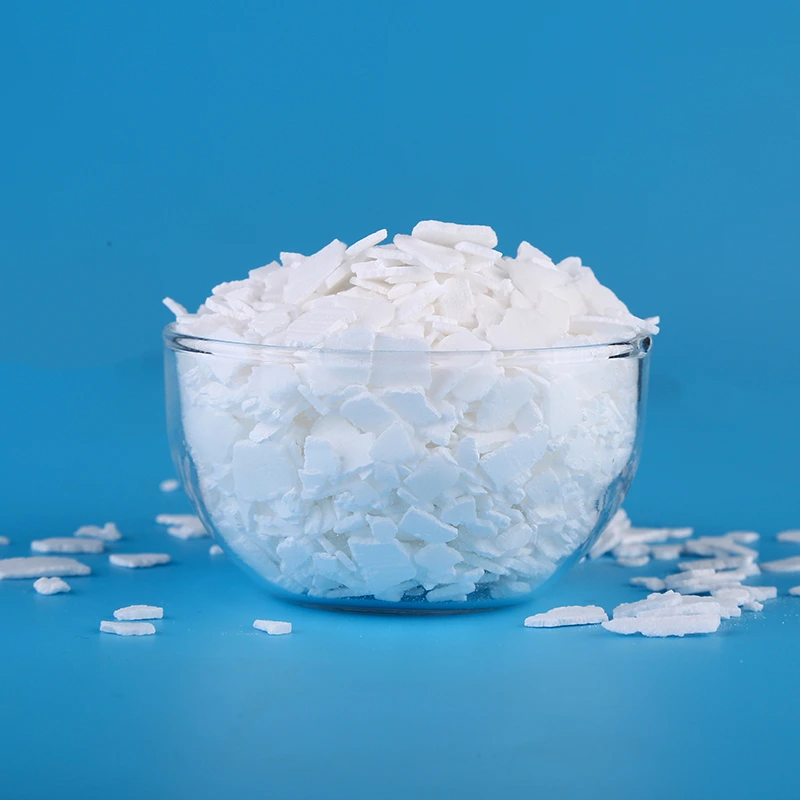
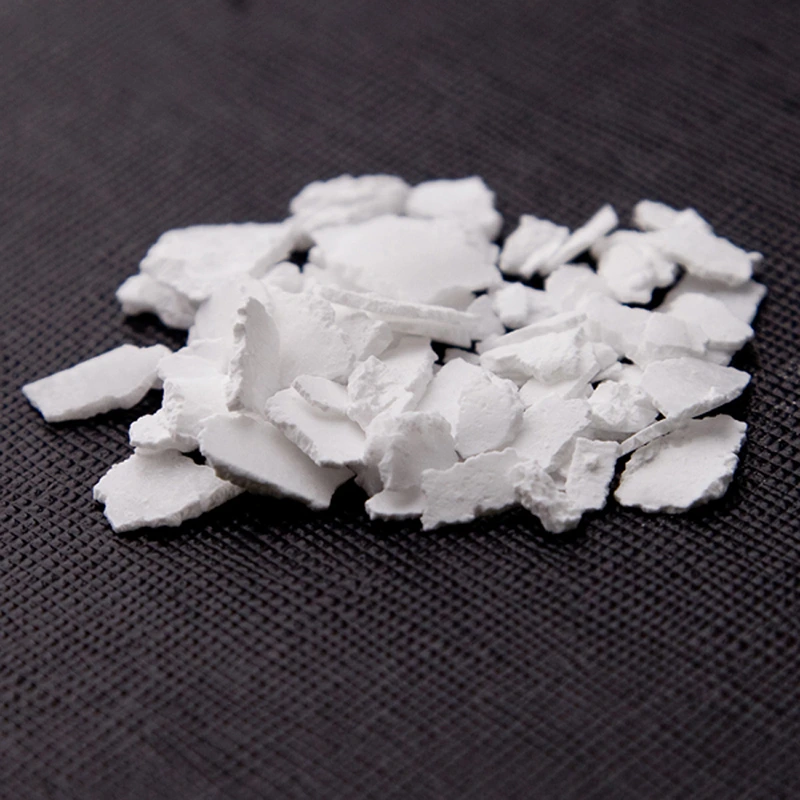
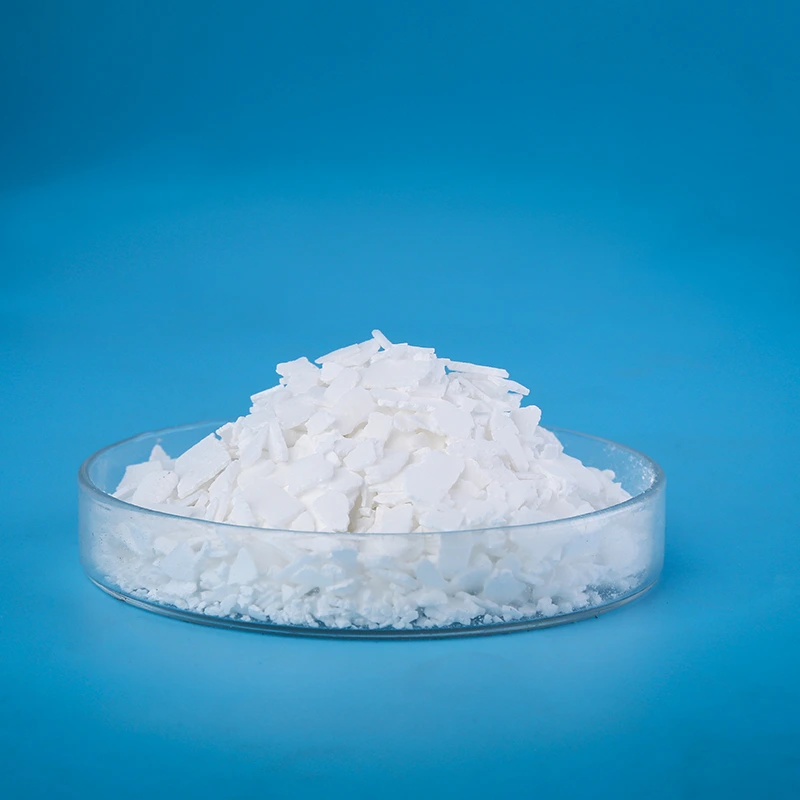
Calcium chloride is a salt composed of chlorine and calcium elements with the chemical formula CaCl₂. It is a typical ionic halide, appearing as white, hard lumps or granules at room temperature.
Its common applications include brines for refrigeration equipment, road deicers and desiccants. As it readily absorbs moisture and deliquesces in air, anhydrous calcium chloride must be hermetically stored in sealed containers. Calcium chloride, its hydrates and aqueous solutions hold vital application value across numerous fields including food manufacturing, construction materials, medicine and biology.